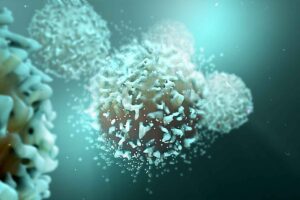
Gut microbes help shape early gut immunity by controlling access to dietary vitamin A, which helps T cells mature and settle in the gut.

On September 24th, ProDigest celebrated its 18th birthday with a brand-new look to match this milestone.

Reducing TIP60 in the liver of obese mice reduced intestinal fat absorption. It also lowered uric acid, increased the levels of L. johnsonii, improved blood sugar levels, and reduced liver…
Industry, Scientific research
Sponsored by

Fermentation techniques offer a powerful biotransformation pathway to valorise these materials into high-value nutraceuticals and functional ingredients.

Travelling with researchers through southern Italy, Percorsi nel Gusto 2026 connected the science of the gut microbiome with the farms, food traditions and communities behind a dietary pattern too often…

UCLA’s Lisa Chang explores differences in bowel habits, intestinal transit and pain, discussing how these factors relate to microbial composition and function.
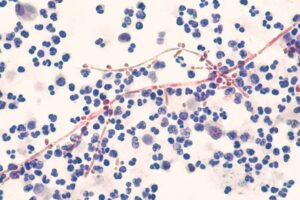
Microbiota-targeted approaches that boost specific SCFAs could help prevent harmful Candida overgrowth in vulnerable people.
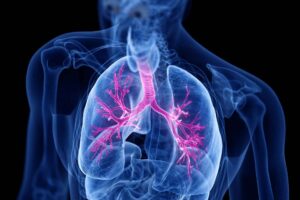
Targeting TLR5 could offer a new way to treat or prevent IPF by correcting harmful lung microbiota changes after injury.

Lukas Michaja Balsiger, KU Leuven, discusses findings linking upper abdominal bloating more closely to functional dyspepsia and lower abdominal bloating to irritable bowel syndrome (IBS).
Industry, Gastroenterology
Sponsored by

Humiome® B2 uses a patented coating technology intended to transport riboflavin through the upper gastrointestinal tract and release most of it in the ileal-colonic region.