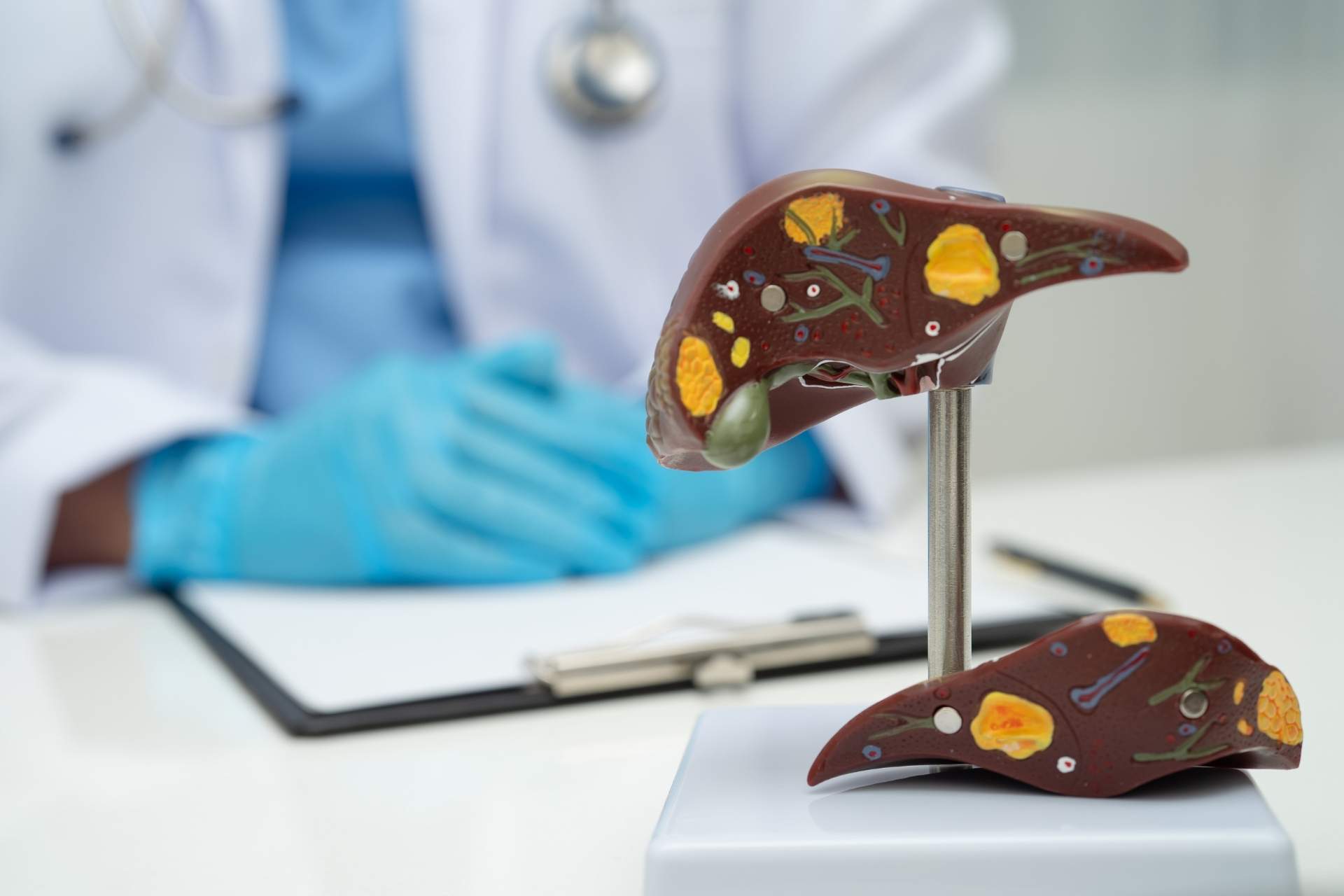
Often linked to conditions such as obesity diabetes, metabolic dysfunction–associated steatotic liver disease (MASLD) is a condition affecting about 30% of adults where fat accumulates in the liver. New research done in fish shows that gut bacteria help protect the liver by breaking down sorbitol, a sugar made from glucose in the gut.
The findings, published in Science Signaling, suggest that gut microbes and sorbitol metabolism play key roles in maintaining liver health.
MASLD can progress to inflammation, scarring, or even liver cancer. Previous research shows that changes in the gut microbiota may play a role in MASLD—either by helping the liver by producing beneficial substances or by turning harmless foods into harmful byproducts. However, the exact mechanisms are still unclear.
Madelyn Jackstadt at Washington University in St. Louis, Missouri, and her colleagues used zebrafish to explore how gut bacteria protect the liver from fat buildup.
Fat accumulation
The researchers treated adult zebrafish with antibiotics to eliminate gut bacteria. Within a week, the fish developed fatty livers. Without bacteria, a sugar called sorbitol, which is made from glucose in the gut, built up in the gut and traveled to the liver.
To test this further, the researchers gave fish extra sorbitol and found it caused fat to accumulate in the liver, mimicking the effects of removing gut bacteria. Without gut bacteria or with high dietary sorbitol, more sorbitol reached the liver, where it was converted into fructose that triggered fat production.
Blocking sorbitol formation in the gut with a drug called epalrestat prevented liver fat accumulation. The drug reduced sorbitol levels and normalized liver glycogen and fat, the researchers found.
Sorbitol effects
Further experiments revealed that certain gut bacteria, particularly Aeromonas species, protect against fatty liver by breaking down sorbitol before it reaches the liver. Reintroducing these bacteria into fish treated with antibiotics reduced liver fat.
Because sorbitol can be converted into fructose in the liver, it may pose similar risks to high-fructose diets, the authors say. “Although dietary fructose has received much attention for its detrimental effects on liver health, dietary sorbitol has not yet been extensively studied in connection to hepatic metabolism,” they add.
“Our work identifies sorbitol metabolism in gut bacteria as a previously unknown factor that contributes to hepatic steatosis, thereby offering a potential target for microbiome-based strategies to treat MASLD.”
 Latest related content