
The gut microbiota reduces the production of retinoic acid, a metabolite of vitamin A, to regulate immune activity and prevent pathogens.

Researchers from Università Cattolica del Sacro Cuore, in Italy, reviewed the scientific literature on the link between gut microbiota and aging.
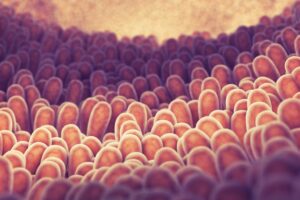
Lactic-acid-producing bacteria support the regeneration of the gut lining by promoting the growth and differentiation of intestinal stem cells.
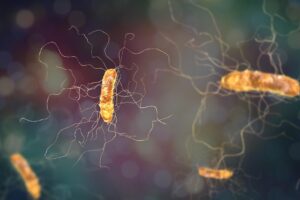
Fecal microbiota transplantation can be safely done either with lyophilized or frozen product, found a clinical trial published in the journal PLOS ONE.
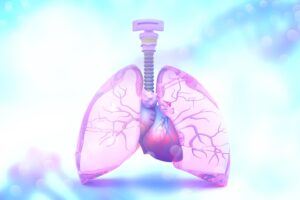
The lower airway microbiota forms within the first 2 months of life, influenced by the gestational age at birth and, in premature babies, the delivery mode.

Commensal gut microbes are inherited from parents and change little over generations, whereas pathogens tend to be transmitted between non-kin individuals.

Lactobacillus reuteri can improve social behavior in different mouse models of autism spectrum disorder, researchers have found.
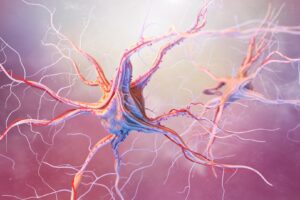
Dysbiosis may be involved in drug-resistant epilepsy and the restoration of gut microbiota may be a novel therapeutic method for drug-resistant epilepsy.
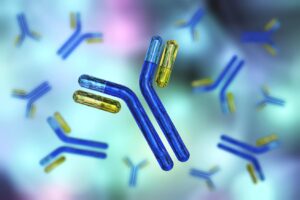
A group of cell-wall sugar molecules stimulate the production of pTreg cells, which reduce inflammation and prevent autoimmunity.
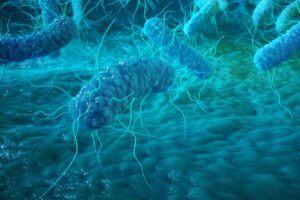
A gut dysbiosis leads to an increase in proline, which gives C. difficile a competitive advantage and favors the development of the infection.