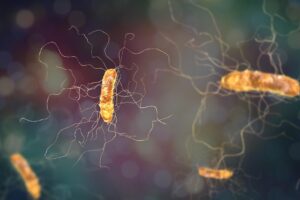
Fecal microbiota transplantation can be safely done either with lyophilized or frozen product, found a clinical trial published in the journal PLOS ONE.
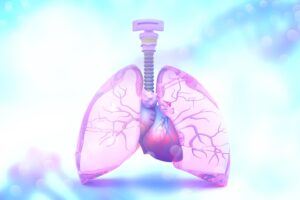
The lower airway microbiota forms within the first 2 months of life, influenced by the gestational age at birth and, in premature babies, the delivery mode.
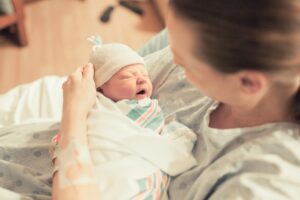
Commensal gut microbes are inherited from parents and change little over generations, whereas pathogens tend to be transmitted between non-kin individuals.

Lactobacillus reuteri can improve social behavior in different mouse models of autism spectrum disorder, researchers have found.
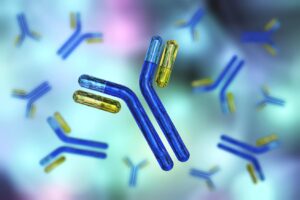
A group of cell-wall sugar molecules stimulate the production of pTreg cells, which reduce inflammation and prevent autoimmunity.
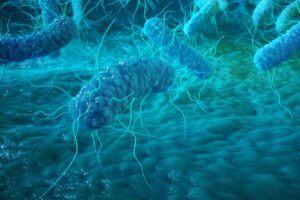
A gut dysbiosis leads to an increase in proline, which gives C. difficile a competitive advantage and favors the development of the infection.
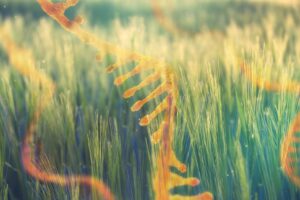
Exosome-like nanoparticles derived from plants contain RNAs that regulate gut microbiota composition and impact on the gut barrier function.
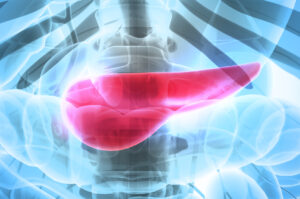
The microbiota of a cancerous pancreas is different and larger than that of a non-cancerous pancreas, according to a study published in Cancer Discovery.

Migrating to a western country alters the intestinal microbiome and provides a key to understanding metabolic diseases such as obesity.
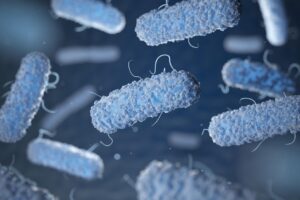
The gut microbiota composition and function changes rapidly in response to pathogens such as Salmonella and Candida, a new study has found.