
Specific strains of the gut commensal Faecalibacterium prausnitzii may help ease the cognitive difficulties associated with Alzheimer’s disease. A new study published in Cell Reports Medicine claims.
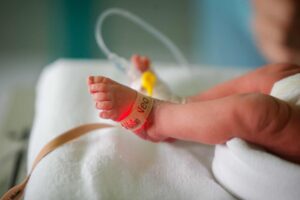
New therapeutic approaches that target the gut-microbiota-immune-brain axis could help to protect preterm infants from brain injury. A new study published in Cell Host & Microbe claims.

The findings of a recent study published in Science Advances suggest that a high-salt diet modulates the gut microbiota in ways that boost tumor immunity.

The type of microbiome that repopulates the gut after antibiotics has the potential to reprogram the mammalian immune system with long-lasting effects including on longevity. A new study published in…
Chemotherapy treatment and intestinal diseases can alter the process of programmed cell death, which can lead to gastrointestinal tract's infections.

Specific changes in the gut microbiota could contribute to disruptions in brain physiology and cognitive behavior. This process leads to cognitive impairment. A new study published in Cell Host &…

The ability to transfer resistance to infection suggests that the microbiota could be harnessed for therapeutic treatments. A new study published in Cell Reports claims.