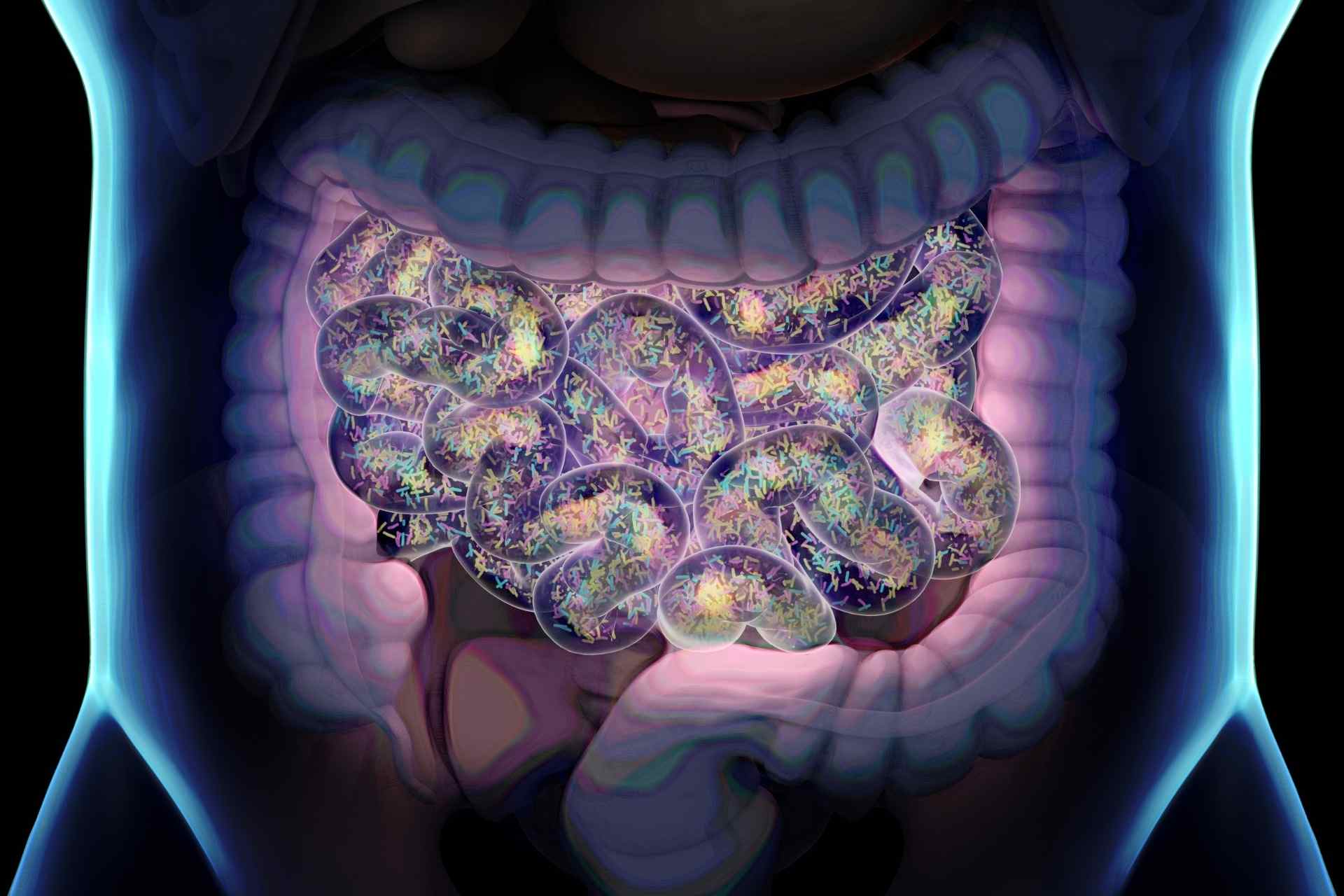
Lantibiotics – antimicrobial compounds produced by specific gut bacteria – can inhibit some pathogens and are being explored to fight antibiotic-resistant infections. However, lantibiotic-producing gut bacteria can prolong gut imbalance and increase susceptibility to dangerous infections after antibiotics, a new study in mice has found.
The findings, published in Cell Host & Microbe, suggest that these bacteria must be used with caution in probiotics and microbiota-based therapies.
Before this study, not much was known about whether lantibiotic-producing bacteria influence the recolonization of the gut microbiota, how they impact beneficial bacteria, and whether interventions such as fecal transplants could restore microbiota diversity in their presence.
So, Cody Cole at the University of Chicago in Illinois and his colleagues studied how a lantibiotic-producing gut bacterium called BpSCSK affects gut recovery after antibiotic treatment.
Dominating the microbiota
In mice with a full gut microbiota, BpSCSK could not establish itself in the intestine. However, after antibiotics, which reduced resident bacteria, BpSCSK successfully colonized the gut and became the dominant species.
BpSCSK also prevented gut bacteria, including those that produce beneficial compounds such as short-chain fatty acids, from returning. For weeks after colonization with BpSCSK, mice had lower gut bacterial diversity and decreased levels of beneficial metabolites such as butyrate.
Even when the researchers tried to restore the gut microbiota with a fecal transplant from healthy mice, BpSCSK continued to be dominant, preventing many other bacteria from colonizing the gut.
Infection susceptibility
Mice colonized with BpSCSK after antibiotics became more vulnerable to infections with opportunistic pathogens such as Klebsiella pneumoniae and Clostridioides difficile, showing weight loss and metabolic changes that favor pathogen growth.
However, when the animals were exposed to a microbiota that had previously developed with BpSCSK, this community of bacteria successfully colonized the gut, reducing BpSCSK’s dominance. In these mice, microbial diversity was restored and the levels of beneficial metabolites grew, the researchers found.
The findings suggest that lantibiotic-producing bacteria can have a detrimental role in microbiota diversity and function, the authors say. “More work is needed to determine the therapeutic potential of lantibiotics and to better characterize the novel lantibiotics currently found in probiotics and microbiomes to mitigate off-target side effects that could impair commensal bacterial functions.”
 Latest related content