Born in 1907, M116 was the world’s oldest verified living person until her death in 2024 at 117 years and 168 days. An analysis of M116’s biology now reveals that her record-breaking longevity was due to a combination of protective genetics, a healthy gut microbiota, efficient metabolism, and low inflammation.
The findings, published in Cell Reports Medicine, suggest that extreme longevity arises from the interplay between genetic and environmental factors, offering insights into the mechanisms of healthy aging.
“In Catalonia, the historic nation where M116 lived, the life expectancy for women is 86 years, so she exceeded the average by more than 30 years,” the authors say. Though more people now live past 100, reaching beyond 110 is still extremely rare, and scientists don’t know why people such as M116 achieve such extraordinary longevity.
To uncover some clues, Eloy Santos-Pujol at the Central University of Catalonia in Barcelona, Spain, and his colleagues examined M116’s blood, DNA, metabolism, immune system, microbiota, and epigenetic marks—chemical tags on the DNA that regulate gene expression.
Protective biology
M116’s chromosomes looked normal but her telomeres—the protective caps on DNA that shorten with age—were unusually short. Her genome contained some rare genetic variants that might explain her longevity. These were linked to healthy immune responses, heart function and brain protection.
M116’s mitochondria—the cell’s powerhouses—worked better than those in younger women, and her immune system showed unique characteristics that promoted low inflammation levels. She also had one of the healthiest cholesterol profiles ever recorded, the researchers found.
Although she had some of the typical age-related changes, her cells showed protective epigenetic marks at certain DNA regions, which may have helped prevent disease.
Extreme longevity
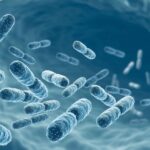
M116’s microbiota was unusually diverse and rich in Bifidobacterium—a beneficial gut microbe that usually declines with age. Bifidobacterium has been shown to help fight inflammation and support healthy fats. At the same time, she had few harmful bacteria linked to frailty and inflammation.
The abundance of Bifidobacterium may explain M116’s excellent cholesterol profile and low inflammation levels, the researchers say. Her healthy microbiota, they add, may have been boosted by a Mediterranean diet and daily yogurt, which encourage Bifidobacterium to grow.
“The picture that emerges from our study, although derived only from this one exceptional individual, shows that extremely advanced age and poor health are not intrinsically linked and that both processes can be distinguished and dissected at the molecular level.”
 Latest related content