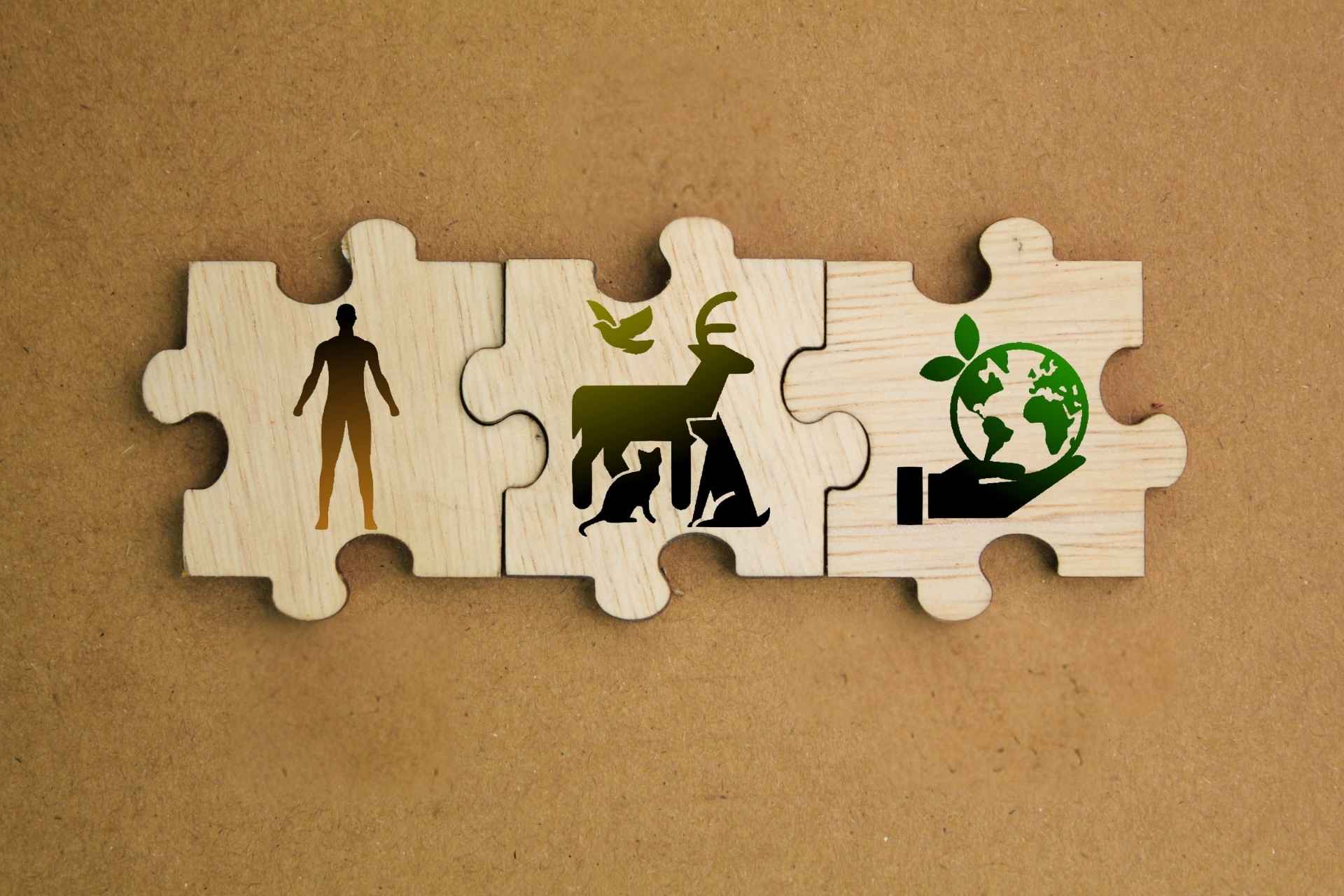
One Health is an approach that links human, animal, plant, and environmental health to tackle issues such as zoonotic diseases and antibiotic resistance. However, it overlooks the microbiota. Including microbiota knowledge could strengthen the goals of the One Health approach, from disease prevention to food safety, researchers argue.
The study, published in mBio, proposes a coordinated framework involving policymakers, scientists, educators, and communities to embed microbiota science into One Health strategies.
In 2022, global health organizations, including FAO and WHO, launched the One Health Joint Plan of Action (OHJPA) to guide policies, research, and investments to protect people, animals, plants, and the planet. However, although the microbiota is known to play a key role in health and ecosystems, it isn’t mentioned in the plan.
Estelle Couradeau at the Pennsylvania State University in University Park and her colleagues set out to highlight how microbiota science can help tackle global health problems. They also offered recommendations for making microbiotas a central part of the One Health approach.
Embedding knowledge
A microbiota is a community of microorganisms—including bacteria, fungi and viruses—that lives in humans, animals, plants, soil, water, and air. Microbiotas move between hosts and environments, and understanding how they travel and function could improve disease prevention, environmental protection, and overall health, the researchers say.
The authors propose integrating microbiota science into each of the six OHJPA action plans. For strengthening health systems, they suggest embedding microbiota knowledge into policies, training programs, and governance, while promoting international collaboration and data sharing. For preventing zoonotic diseases, they recommend microbiota-based surveillance to detect early warning signs of disease spillover. For controlling endemic and vector-borne diseases, they propose strategies such as introducing beneficial microbes into vectors, monitoring livestock microbiotas, and encouraging microbiota-friendly farming.
For food safety, the authors advocate for using microbiotas to prevent contamination and improve soil health. To combat antimicrobial resistance, they propose replacing or reducing antibiotic use with beneficial microbes, tracking resistance through microbiota monitoring, and supporting microbiota-based antimicrobial strategies. Finally, for protecting the environment, they recommend leveraging microbiotas for biodiversity conservation, carbon sequestration, waste degradation, and climate resilience.
One Health plan needs clear roles
However, including microbiota science in the One Health plan needs clear roles, the authors say. Governments should set laws and training for microbiota use, while global organizations should create standards and support poorer nations. Professionals across health, agriculture, and environment should apply microbiota solutions, backed by researchers, educators, public campaigns, and the private sector.
Low- and middle-income countries need capacity building and funding, and global cooperation can help make microbiota science a powerful tool for protecting health, the authors say.
“Taken together, this coordinated, stakeholder-specific approach ensures that microbiome integration is both actionable and transformative across the One Health agenda.”
 Latest related content