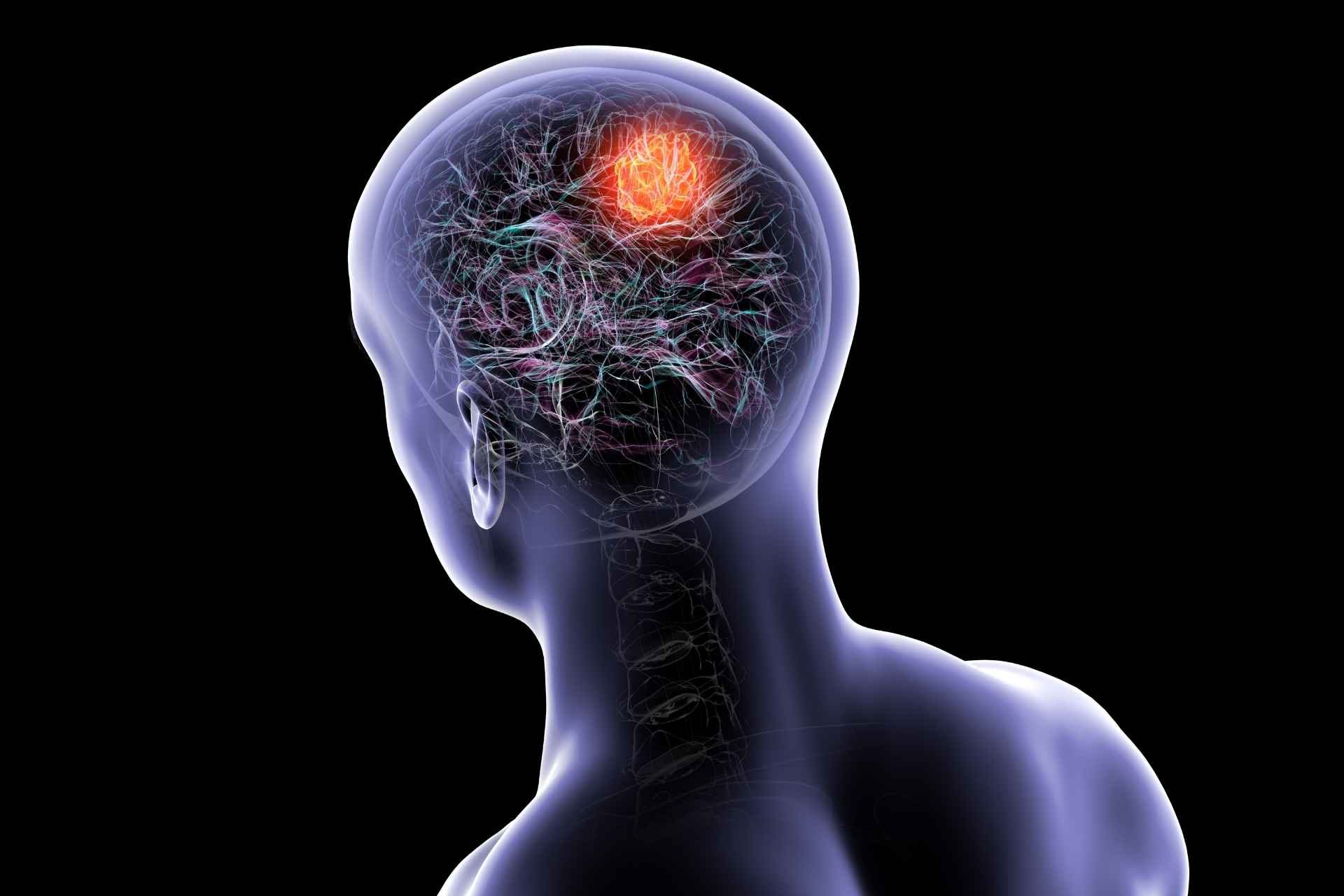
Gliomas are the most common brain tumors, and about half of patients develop glioblastoma, the most aggressive type, with survival rates of only 15 months on average. Now, a study in mice shows that a ketogenic diet can reshape the gut microbiota to produce butyrate, which induces a tumor-inhibiting immune state.
The findings, published in Cancer Cell, suggest that targeting gut bacteria or butyrate could be a promising therapy for glioma.
Previous studies have shown that gut bacteria can influence tumor growth through compounds such as short-chain fatty acids (SCFAs), which affect brain immune cells. But it’s unclear which gut bacteria and metabolites influence glioma growth, how they affect brain immune cells, and whether targeting them could help treat the disease.
Researchers led by Ming-Liang Chen at the Institute of Pathology and Southwest Cancer Centre in Chongqing, China, investigated how the gut microbiota and its metabolites might influence glioma progression, and whether a high-fat, low-carbohydrate diet, known as a ketogenic diet, could have anti-tumor effects.
Tumor-inhibiting state
Compared to healthy individuals, people with glioma had fewer bacteria that produce SCFAs, especially Roseburia faecis, which declined further as tumors became more aggressive. This decrease was linked to lower levels of the SCFA butyrate in both stool and blood. Glioma patients with higher levels of R. faecis and butyrate also tended to live longer, the researchers found.
In mouse models of glioma, disrupting gut bacteria with antibiotics or raising mice without microbes made brain tumors grow faster and reduced the animals’ survival. When gut bacteria from healthy people were transplanted into mice with glioma, or when R. faecis was given to them, tumor growth slowed, and survival improved.
Further experiments revealed that R. faecis produces butyrate, which influences brain immune cells called microglia, shifting them to a tumor-inhibiting state.
Glioma therapy
Feeding mice a ketogenic diet also slowed glioma growth, the team found. These benefits were linked to changes in gut bacteria, including increased levels of Akkermansia muciniphila and Ruminococcus faecis. Removing gut bacteria reduced the benefits of the ketogenic diet, while giving mice butyrate or butyrate-producing bacteria restored them.
The ketogenic diet raised butyrate levels in the gut, blood, and tumors, and this effect depended on a gut protein called MUCIN-2. Removing MUCIN-2 reduced butyrate levels and the diet’s benefits, the researchers found.
Although more research is needed to determine if these findings apply to humans, the authors say, “our results open a new avenue of research regarding the mechanism of the gut microbiota and [ketogenic diet]-mediated protective effect against glioma, indicating that targeting the gut microbiota especially by [ketogenic diet] or supplementing with [butyrate] could serve as a potentially effective strategy for glioma therapy.”
 Latest related content