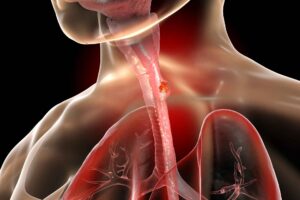
Lactobacillus salivarius can make cancer immunotherapy less effective by producing indole-3-lactic acid (ILA), that weakens the body’s anti-tumor immune response.
Targeting specific bacterial strains, rather than overall gut diversity, can help develop effective microbiota therapies.
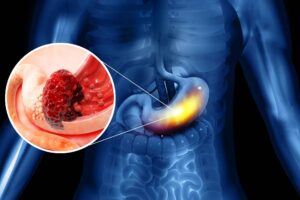
Bacterial extracellular vesicles released by L. salivarius activate immune cells, boosting the effectiveness of immunotherapy in stomach cancer.
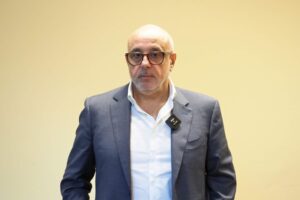
Giuseppe Penna, from Humanitas University (Italy), presents the development of a novel postbiotic obtained from a single bacterial strain through an innovative fermentation process.
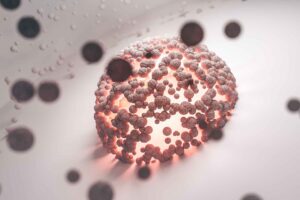
Diet and gut microbes can shape immune cell function and improve responses to anti-cancer therapy.
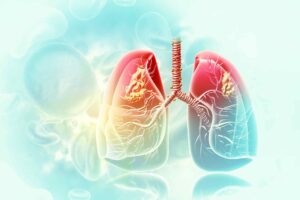
Changes in gut bacteria, especially Akkermansia, could predict treatment success in people with lung cancer.
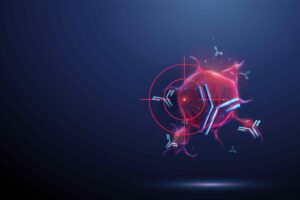
Three promising bacteria were linked to better treatment responses in melanoma patients.
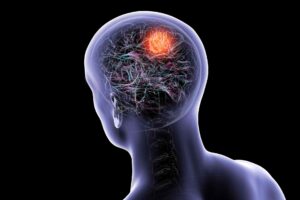
Dietary intervention and the utilization of D. dubosii offer potential insights for the treatment of brain tumor patients.
Preclinical findings will be presented at the American Association for Cancer Research (AACR) Annual Meeting in Chicago.

Emil Chuang, Chief Medical Officer at Intrinsic Medicine, explores the growing understanding of gut-brain axis disorders and the potential of Human Milk Oligosaccharides (HMOs) in their treatment.