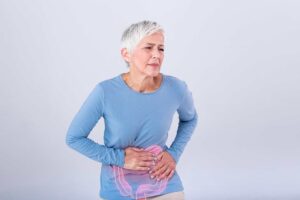
The findings of a new research illuminate the link between IBS and gut bacteria, and suggest that histamine is a good target for therapies against the condition.

The findings of a new research suggest that during the early maturation, the microbiota would be more likely to be influenced by other microbiotas on a not-too-distant level of maturity.
AcuraBio is a globally focussed organization bringing innovative therapeutics to market for customers in the biotech, pharmaceutical, and animal health industries.
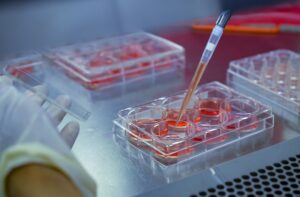
Metabolon and the Oxford Parkinson's Disease Centre will identify new metabolomic biomarkers to advance Parkinson's research and detect new therapeutic targets

Maria Teresa Abreu (University of Miami, USA) discussed some new strategies to design clinical trials.

Theresa Pizarro, (Case Western Reserve University School of Medicine) discussed the roles of epithelial barrier’s cytokines, gut microbiome and Gasdermin in IBD patients.
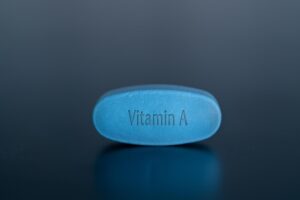
The results of a new research done in mice suggest that gut bacteria can regulate host physiology by metabolizing vitamin A.

Sudarshen Paramsothy (University of New South Wales, Australia) discussed the controversials about FMT in IBD patients.

New research in mice suggests that two MACs, L-arabinose and sucrose, have specific effects on gut microbes that may prevent diet-induced obesity.

Herbert Tilg (University Innsbruck, Austria) discussed the relationship between Inflammatory Bowel Diseases and gut microbiome.