
Monitoring shifts in microbial interaction networks could help to detect and track gut-related conditions.

Giuseppe Penna, from Humanitas University (Italy), presents the development of a novel postbiotic obtained from a single bacterial strain through an innovative fermentation process.

Pregnancy: how dysbiosis may affect placentation, maternal immunity, and the risk of neonatal sepsis
Maria Rescigno (Humanitas University, Rozzano, Milan) discusses the role of dysbiosis during pregnancy and the perinatal period, outlining two potential clinical trajectories.

Emilia Ghelardi, Professor of Microbiology and Molecular Microbiology at the University of Pisa, explains how pathogens can actively disrupt the integrity of the commensal community.

Emil Chuang, Chief Medical Officer at Intrinsic Medicine, explores the growing understanding of gut-brain axis disorders and the potential of Human Milk Oligosaccharides (HMOs) in their treatment.

Understanding the vaginal microbiome is essential not only for treating gynecological conditions but also for preventing them and promoting overall well-being.
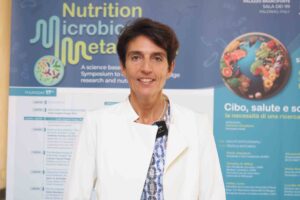
Professor Maria Rescigno explores the critical role of the gut microbiota in maintaining intestinal barrier integrity and its implications for health.
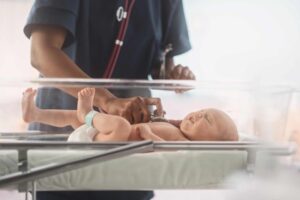
The results also indicate that the hospital environment influences the gut bacteria of preterm infants, highligting the importance of managing antibiotics and medications to support a healthy gut development.
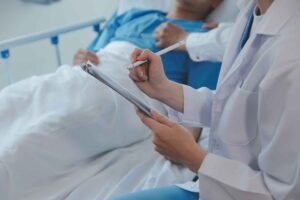
A systematic review recently published in the Journal of Reproductive Immunology provides a comprehensive overview of the emerging role of the microbiome in recurrent pregnancy loss (RPL).
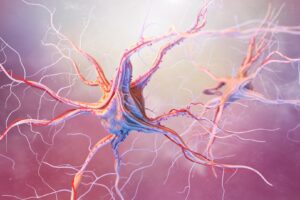
Dysbiosis may be involved in drug-resistant epilepsy and the restoration of gut microbiota may be a novel therapeutic method for drug-resistant epilepsy.