
The findings of a recent stydy suggest that the skin microbiota triggers a rapid immune response of resident skin cells at the onset of Borrelia infection.

The findings of a recent study suggest that the microbiota-derived metabolite phenyllactic acid can prevent antibiotic-associated obesity in early life.

The findings of a recent study suggest that a mother’s gut microbiota influences fetal health by promoting placental growth and vascularization.

The findings of a recent study suggest that the interplay between the microbiota, the gut and the brain drives binge-eating disorders.

A recent study analyzed microbial colonization in people with RAG deficiency to shed light on the effects of secondary immunodeficiencies.

The findings of a recent study suggest that a mixture of B. infantis and HMOs can modulate the gut microbiota in adults.

The findings of a recent study suggest that resistant-starch supplements can alter the gut microbiota in ways that alleviate NAFLD.

Microbial differences may help to identify targets that could be modulated to mitigate health inequities.
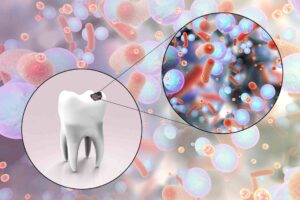
The findings suggest that lysine lactylation contributes to metabolic regulation in bacteria and that GNAT13 may limit sucrose-driven biofilm formation.

This study demonstrated fundamental mechanisms through which A. muciniphila and L. plantarum modify the gut microbiota and control immune responses in the SLE mouse model.