
The findings of a recent study suggest that the crosstalk between gut microbes and the host’s immune system can influence the body’s defenses during cancer therapy.

The findings of a recent study suggest that L. reuteri eases social difficulties in autistic children.
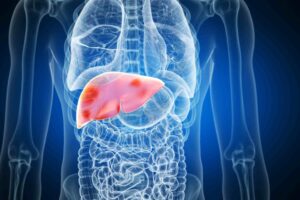
The findings of a recent study suggest that modulating the gut microbiota in people with liver cancer can improve their health outcomes after surgery.

The findings of a recent study suggest that in bacterial vaginosis, certain vaginal microbes disrupt the protective glycans on vaginal epithelial cells, altering processes that mediate cell turnover, death and…

The findings of a recent study suggest that different factors, including maternal seeding and phage persistence in the gut, contribute to the colonization of the gut by phages.

The findings of a recent study show that specific gut microbes and their metabolites affect cognition and memory when transplanted into germ-free mice.

Although a causative relationship between obesity and gut microbes remains unclear, microbiota-based treatments may help to combat obesity.

The findings of a recent study shed light on the microbiota of the main nutrition types that preterm infants receive and may inform future studies on the influence of different…

A recent study indicates that the abfA cluster might be used as therapeutic target for constipation in humans.

The findings of a recent study may inform new approaches to treat Crohn’s disease by targeting disease-causing microbes in the gut.