
A study revealed a link between gut microbiota composition and brain development in preterm infants, suggesting that specific bacteria and their metabolites can influence neurodevelopment.

The findings of a recent study suggest that while T. musculis can worsen asthma, it might also help the body fight off infections, offering potential for new treatments targeting the…

The skin can independently generate immune responses to control the microbiota and prevent infections, without relying on other immune centers.

The findings suggest that the microbial communities inhabiting an infant’s nose and throat can play a role in the severity of RSV infections.

The findings suggest that bHB could be a therapeutic alternative to a ketogenic diet. The results also highlight the protective role of the gut microbiota and its metabolites in autoimmune…
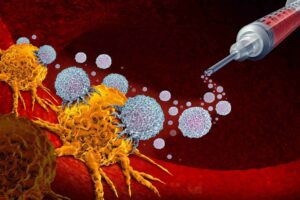
The presence of specific microbes in the gut microbiota can serve as biomarkers for predicting the efficacy of immunotherapy.

By suggesting that the diversity and variety of microbial species play a big role in whether the transplanted microbes can successfully colonize a recipient’s gut, the findings could pave the…

Targeting L-kynurenine metabolism could be a therapeutic strategy for managing Crohn’s disease.

The findings suggest that the composition of the gut microbiota in early life is not a key factor in obesity risk.

New research has now uncovered differences in the gut microbiota composition between people with the condition and those without.