
Researchers have developed new tools to better understand the role of Bifidobacterium breve, revealing its competitive growth strategies and potential for supporting the immune system.

Delayed microbiota maturation in infants with cystic fibrosis could contribute to disease complications, highlighting potential therapeutic targets.

Understanding the complex interactions between exercise, diet and gut health can help to develop approaches to influence the gut microbiota, boost immunity and prevent or manage gastrointestinal diseases.
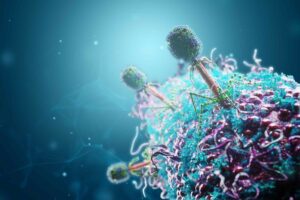
Phages could be used as a drug delivery system for conditions such as inflammation and obesity.

Microbiota analysis could help sexual assault investigations by detecting microbial markers of contact, even in cases where traditional DNA evidence is lacking.

L-ornithine can be an additional therapy to boost the efficacy of ustekinumab in people with Crohn’s disease.

By addressing biases and increasing diversity in microbiota studies, researchers can develop more accurate and inclusive health strategies for women of different backgrounds.

Inflammatory bowel diseases (IBD), such as Crohn’s disease and ulcerative colitis, are long-term conditions involving gut inflammation caused by an excessive immune response. Now, a study done in mice found…

The findings of a recent study suggest a potential role of gut microbiota and microbial metabolites in the link between sugar-sweetened beverages intake and diabetes risk.

A new database of thousands of gut microbiota samples from across the word highlights the need for more diverse microbiota research across the globe.