Giorgia Guglielmi

Giorgia Guglielmi is a freelance science writer based in Basel, Switzerland. Specializing in life sciences, medicine, and the relationship between science and society, she has published numerous articles in outlets including Nature, Science, and Scientific American. She holds a PhD in biology from the European Molecular Biology Laboratory and a Master’s in Science Writing from the Massachusetts Institute of Technology. She has received recognition for her work, including the John Kendrew Award in 2020 and an ERC-funded FRONTIERS Media Fellowship in 2025. She has also led lectures and workshops on science communication at institutions such as Harvard University and the University of Zurich.

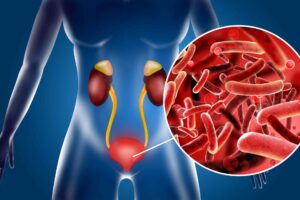
Fecal microbiota transplants may help fight ‘superbugs’

The findings of a recent study suggest that fecal microbiota transplants reduce colonization with multidrug-resistant organisms in people who received kidney transplants.
Antibiotics alter the gut microbiota in ways that disrupt responses to immunotherapy

The findings of a recent study suggest that antibiotics should be prescribed with caution in cancer patients who are planning to receive PD-1 inhibitors.
Lung bacteria may be associated with brain conditions after severe pneumonia

By suggesting that the bacteria detected in the brain after severe pneumonia originate from the lungs, the findings shed light onto the mechanisms of pneumonia-induced neurological conditions.
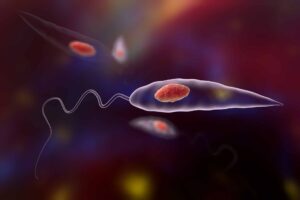
Skin microbes may influence the outcome of leishmaniasis

The findings of a recent study may inform new therapies to modulate the skin microbiota in people with leishmaniasis.
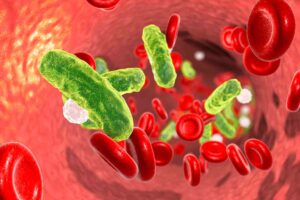
The gut microbiota is linked to bloodstream infection in critically ill patients

The findings of a recent study link the gut microbiota and the microorganisms responsible for bloodstream infection in critically ill patients.
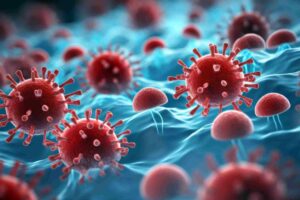
Microbiota signature may predict severe outcome of SARS-CoV-2 infection

The findings of a recent study suggest that, during SARS-CoV-2 infection, some bacteria in the upper airways’ microbiota may be associated with a person’s disease progression to intubation.

Commensal microbes modulate skin immunity against bacteria causing Lyme disease

The findings of a recent stydy suggest that the skin microbiota triggers a rapid immune response of resident skin cells at the onset of Borrelia infection.

Mice study hints at how gut microbes may protect from childhood obesity

The findings of a recent study suggest that the microbiota-derived metabolite phenyllactic acid can prevent antibiotic-associated obesity in early life.

A mother’s microbiota influences placental growth, mouse study shows

The findings of a recent study suggest that a mother’s gut microbiota influences fetal health by promoting placental growth and vascularization.

Alterations in the gut microbiota may drive binge eating, mice study suggests

The findings of a recent study suggest that the interplay between the microbiota, the gut and the brain drives binge-eating disorders.

Subscribe to MicrobiomePost newsletter

Take full advantage of MicrobiomePost‘s features.

Scroll to Top