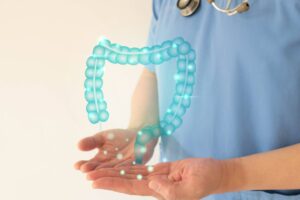
Gut microbes, through metabolites such as niacin, shape the regional identity and protective functions of colon cells.
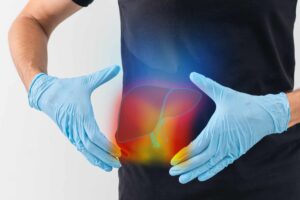
The findings suggest that L. salivarius can be a microbiota-based therapy for preventing severe fatty liver disease progression.

Giovanni Barbara (University of Bologna), Congress Chair, reflects on the key takeaways from the congress and shares his closing remarks.

Francisco Guarner, from Centro Médico Teknon in Barcelona, discusses the role of probiotics in the prevention of antibiotic-associated diarrhea.

Industry
Sponsored by

"Wake Up Your Core" concept presented at Vitafoods Europe 2026 recognizes the gut microbiota as the foundation of overall health and a key driver of systemic homeostasis.
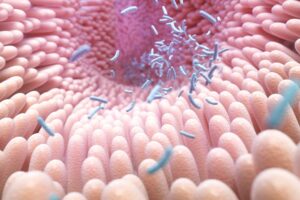
New study suggests that modifying the gut microbiota could shape baseline immune states to improve infection resistance and responses to vaccines and immunotherapies.

The IPA Europe initiative is designed to bring the scientific, health and socio-economic value of probiotics into a broader public and policy conversation.

Diet shapes probiotic colonization, offering strategies to improve colonization, modulate the microbiota, and control harmful microbes.

Francesco Asnicar, CIBIO - University of Trento (Italy), discusses new large-scale research on the human microbiome, based on the analysis of more than 35,000 individuals from the UK and the…
Industry, Dermatology
Sponsored by
SynbÆctive® ProBeautyShield shortlisted in the “Ingredient of the Year: Beauty from Within” category, reinforcing its scientific international recognition.