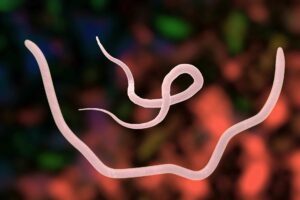
Microbiota-derived molecules such as IPA may offer a way to strengthen early-life immunity against respiratory viruses.

Monitoring the gut microbiota could in the future help understand, diagnose, or manage Sjögren syndrome.
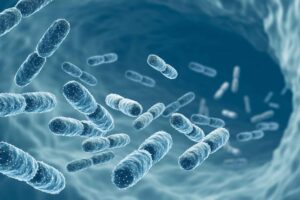
Microbial communities may be engineered at the protein-expression level because bacteria adjust their protein production in response to specific neighbors.

Sangeribacter muris KT1-3 made sepsis deadlier by amplifying inflammation driven by TLR4.

MOZAIC, an AI model designed to compare donor and recipients microbiotas, predicted the microbiota convergence after FMT with an accuracy of about 80%.

The findings highlight TnAse producing gut microbiota, indole, and AhR as promising therapeutic targets for IBS-associated affective disturbances.
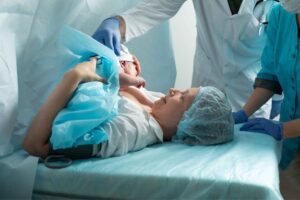
Restoring missing maternal microbes after C-section birth could be a new strategy to support early neurodevelopment.
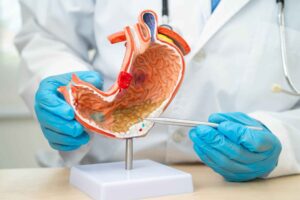
Microbes migrating from the mouth to the gut may play a role in gastric cancer and could become targets for diagnosis or treatment.
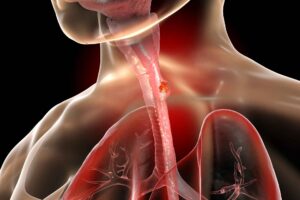
Lactobacillus salivarius can make cancer immunotherapy less effective by producing indole-3-lactic acid (ILA), that weakens the body’s anti-tumor immune response.
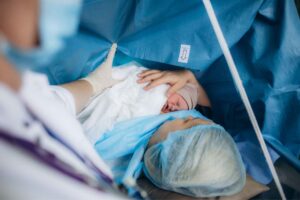
Early interventions targeting the infant gut microbiota, especially in babies born by C-section, may reduce the probability of neurodevelopmental conditions such as autism.