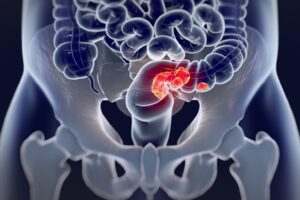
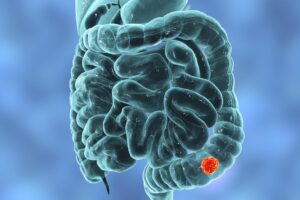
colorectal cancer
Oncology
By providing insights into how the gut microbiota influences cancer susceptibility, the findings may help to develop new therapies or dietary interventions.
Gastroenterology, Oncology
The findings of a recent study suggest that tilimycin-producing bacteria can cause genetic mutations in the colon and increase a person’s susceptibility to disease.
Oncology
Vaccines against F. nucleatum and other onco-microbes may help prevent diseases such as colorectal cancer.
Oncology
A recent study confirms that 5-FU exerts part of its anti-cancer effects through inhibiting the growth of F. nucleatum, the commensal associated with colorectal cancer progression.
Gastroenterology, Oncology
The findings of a recent study suggest that DNA damage-inducing microbial metabolites such as indolimines play a role in the development of colorectal cancer.
Industry
Company Presents Data at ESMO Congress Showing Link Between Gut Bacteria and Early Colorectal Cancer Detection
Gastroenterology, Oncology
Lactobacillus reuteri can protect against colorectal cancer through reuterin, one of its metabolites. A new study published in Cencer Cell claims
Oncology
The mouth microbiota may be used as a potential biomarker and target for the diagnosis and treatment of colorectal cancer. A new study pulished in Cell Reports claims.
Gastroenterology
The alterations in gut microbiota composition observed in mice lacking TAK1 can generate a protective immunity against colitis and colorectal cancer.
Oncology
Some gut microbial metabolites boost the efficacy of antitumor drugs by regulating the body’s immune response and could be used as a part of cancer therapy.